Made-in-France bed sheets that don’t cost a fortune: it can be done
Made-in-France bed sheets that don’t cost a fortune: it can be done
.jpg)

Today, we’re launching our first bed sheets. And they’re made in France. Here’s how we were able to make that choice.
Do you know where most of the bed sheets sold in France are made? For more than half of them, the answer is Pakistan. In fact, because of competition from low-cost countries, there are hardly any bed linen factories left in France. When we found that out, we wanted to do our bit to help the last French factories hold out. Especially since we realised we could sell these sheets at prices not that far from those made on the other side of the world. How come?
Reason no. 1: bed sheets are simple products
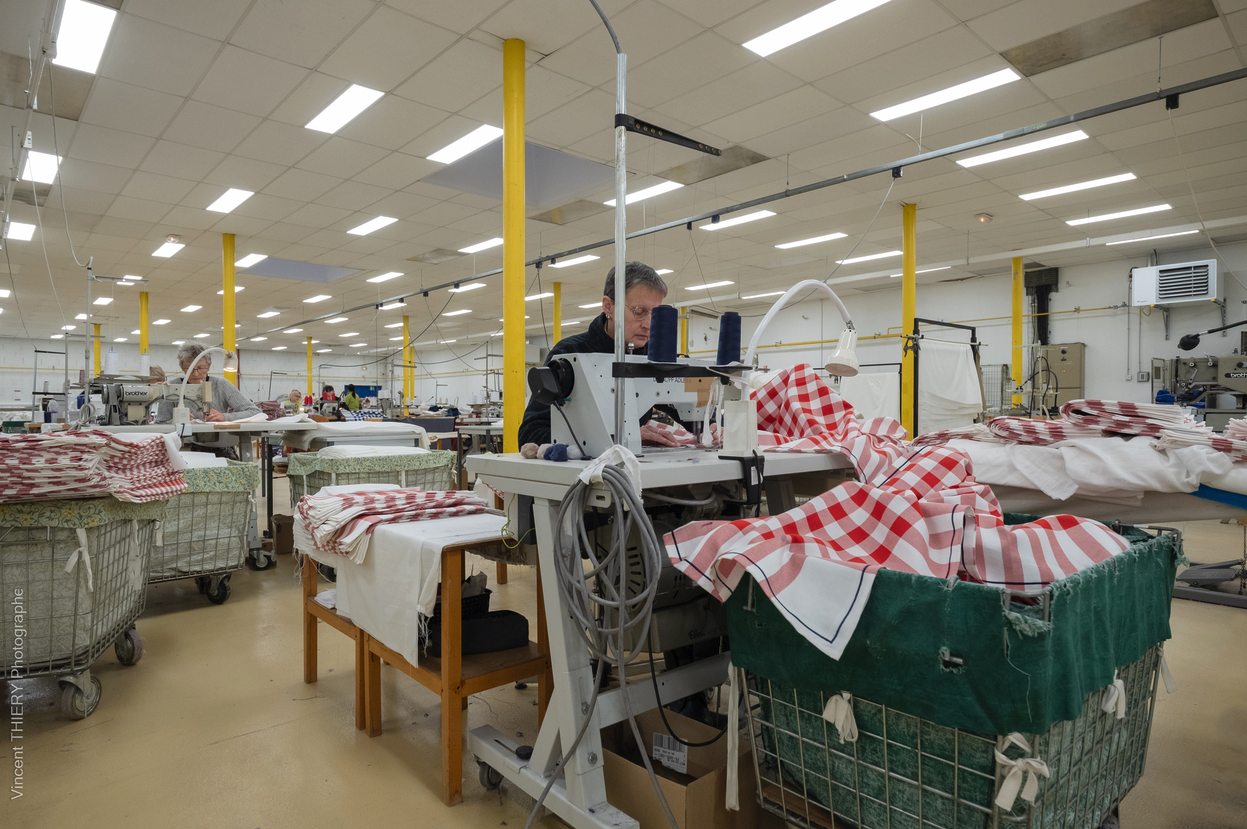
First, the difference in manufacturing costs between sheets made in France and made in Pakistan is much smaller than it is for clothes. That’s right: while you do need quite a few machines to make sheets (looms, dyeing machines…), there’s far less sewing involved than for, say, a shirt. No need to stitch dozens of pieces of fabric together – it’s mostly hems and finishing details. In short, with household linen, the high cost of French labour is less of a handicap than it is in clothing manufacturing (if you’re interested, we’ve written a whole article about it).
Reason no. 2: the market is full of "over-quality"
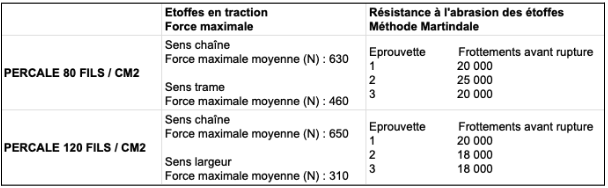
In the bed linen market, brands often put forward “120 threads per cm2” cotton percale as a sign of quality. The difference with an 80-thread percale is that the threads are finer. And the finer the threads, the more expensive the fabric.
It’s true that finer threads make the fabric softer. But while running our lab tests, we found that they also make it a little less resistant to holes and tearing.
Don’t get us wrong: cotton percale sheets are soft and top quality, whether they’re 80 or 120 threads (the threads are already very fine in both cases). But we think 80-thread percale is the better compromise: it lets us offer quality sheets that are not only more affordable and more durable, but also more breathable and less prone to creasing (the finer the threads, the more the fabric creases – and honestly, who likes ironing their sheets?).
Reason no. 3: we keep our margins low
Finally, if we can offer these sheets at affordable prices, it’s thanks to our business model: we keep our margins low because we don’t do collections (which would cost money in development and unsold stock), advertising (whose cost we’d have to pass on to the products) or sales (which would force us to charge more for the rest of the year).
In short, we can sell these made-in-France sheets at prices in line with the rest of the premium market: €80 to €90 for the duvet cover, €35 to €40 for the fitted sheet, €18 for the pillowcase. All the more so as they’re made from organic cotton (GOTS certified), whereas most sheets sold in France are made from conventional cotton (in other words, pumped full of pesticides).
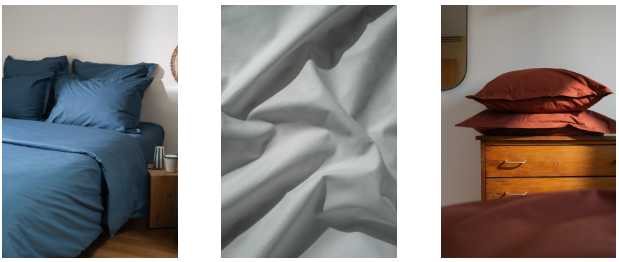
And we’re very proud to have had them made in the Vosges, in three factories that know high-end bed linen inside out:
- Tissage Mouline Thillot, a weaver that invested in modern machinery to stay competitive when many factories were moving to Asia.
- Crouvezier, our dyer, who reacted very quickly when we ran into the (inevitable) production hiccups...
- And then there’s Vogimex, who carefully sewed all our sheets and kept working even during January’s snowstorms in the Vosges (the worst in 10 years, apparently).
Trust us: they’re worth the wrestling match.


.jpg)

.jpg)