All articles
Thank you! Your submission has been received!
Oops! Something went wrong while submitting the form.

In this article, we tell you how our disillusionment with the “patina” of raw jeans led us to develop a pair of jeans that doesn’t fade. Fair warning: this story will take you on almost as many trips as a pair of fast fashion jeans — from Hollywood to Shanghai, then from Italy to Egypt.

We’ve switched off individual email open tracking via tracking pixel – here’s why.
Today, we’re launching our first bed sheets. And they’re made in France. Here’s how we were able to make that choice.
In this article, we tell you the incredible story of the 3rd-generation fine-knit sweater.
In this article, we’ll let you in on the secrets of making a pair of shorts that lasts. If you’re thinking “Well, you just do it like a pair of hard-wearing trousers, but with the legs cut off”, well, that’s exactly how we started out… and we ended up with dozens of pairs that had completely faded after their first summer, all because of that wretched “golfer’s syndrome”.
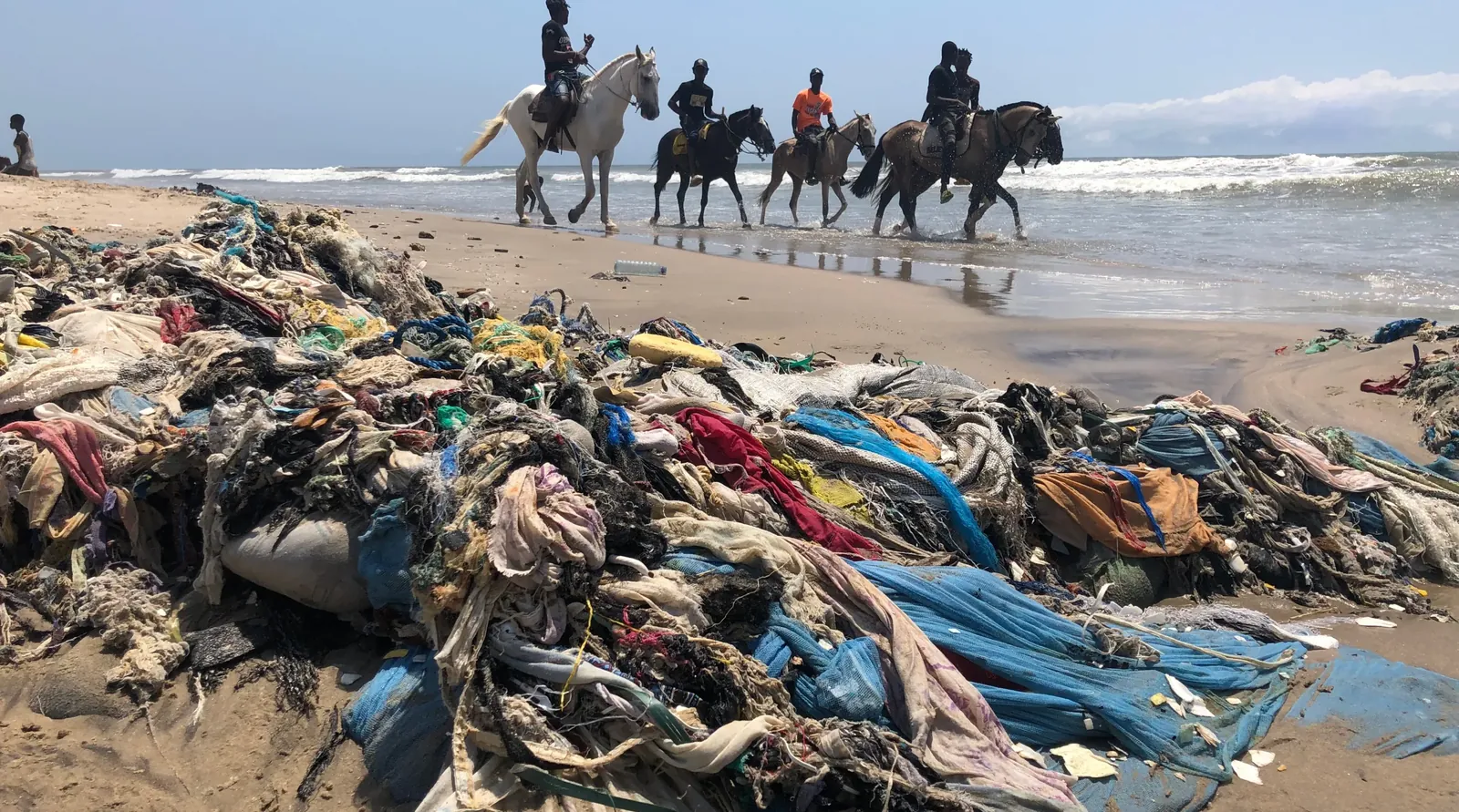
Now that Vinted has become part of everyday life and brands are launching their own second-hand sites, it’s tempting to celebrate. Could this be the start of a new era for fashion, one of circular economy and less pollution? Sadly, the success of these sites hides a much darker reality: most of the players in the second-hand sector, the ones handling the clothes you drop into collection bins, are struggling. They are finding fewer and fewer outlets for them, and so no longer have a viable business model. In this article, we dig into the roots of the problem.
Making a bath towel had been on our minds for a while.
How is the clothing industry doing in France?
To get an idea, take a look in your wardrobe. And count how many labels say “made in France”.
A video made by ADEME (the French government’s environment agency) has caused quite a stir over the past few weeks: in it, a “de-salesman” talks a customer out of buying a polo shirt, pointing out that the one he’s already wearing is perfectly fine.
The ad sparked outrage both in the business world (the MEDEF, France’s main employers’ federation, called for it to be pulled immediately) and among some politicians (Bruno Le Maire, the finance minister, called it “regrettable”). The main criticism: the ad could put clothing retailers in a tight spot at a time when the textile sector is going through a crisis and badly needs sales – December is a make-or-break month for shops. It was also accused of looking down on a profession that does its best to do its job: giving advice in order, ultimately, to sell.
To make up our own minds, we decided to dig into the question. So, is selling fewer clothes bad for clothing shops? Short answer: no, provided production comes back to France or Europe. Long answer: read on.
In 2019, we told you how we managed to create ultra-durable, made-in-France socks. 3 years later, have these socks lived up to their promises in the real world?

Raw jeans can be prone to bleeding at first. But what about Loom’s jeans? And how can you prevent it?
Recycled polyester is one of the main solutions fast fashion puts forward to claim it is reducing its environmental impact. In this article, we'll try to explain why this material is mostly a decoy that distracts us from the real solutions. A short investigation that takes us to China, Uganda and even Tennessee.
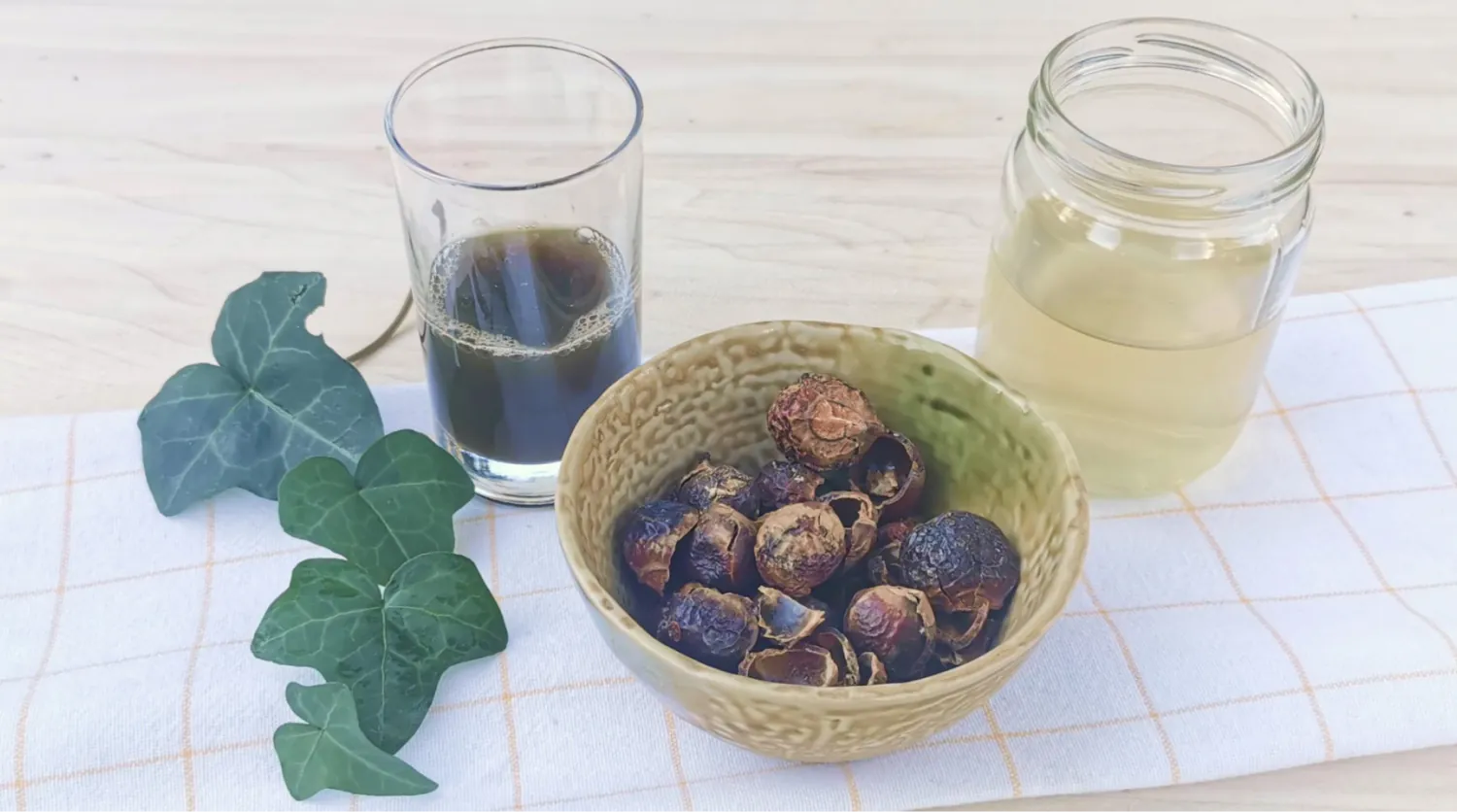
If you think getting stains out of your clothes is complicated, think again: it’s actually quite the opposite.
The sunny days are back, and you’re about to forget your wool sweaters, scarves and beanies even exist until the next cold snap. In this article, we’ll show you how to keep moths from turning your wardrobe into an all-you-can-eat buffet over the coming months. And if the damage is already done, we’ll show you how to fix it.
Our jeans are a bit special: they should take longer than most to wear through at the crotch. Getting there took us three years.
Ça y est, on ouvre notre boutique. C’est un projet qui a germé dans notre tête il y a deux ans. Et aujourd’hui, on voulait vous raconter comment on arrive à concilier l’ouverture d’un magasin avec notre conviction qu’il faut acheter moins de vêtements (pas évident hein ?).
How do you get rid of pilling on your socks?
In early 2016, Loom was barely a year old. We were young, we were reckless… and we launched a terrible shirt. BonneGueule made sure we knew it on their blog, and it was a real wake-up call. Here’s the whole story.
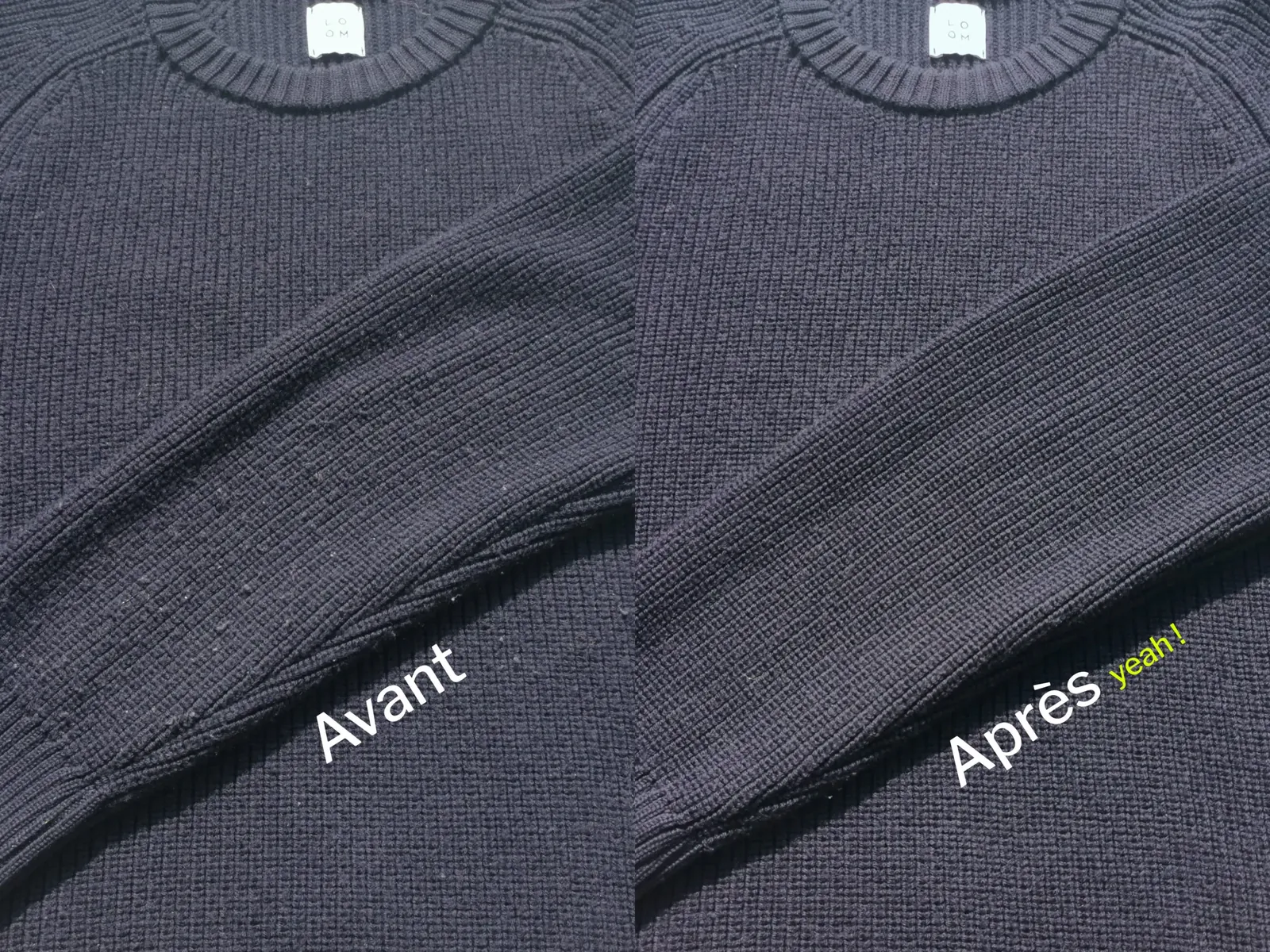
In this article, we explain what causes pilling and how to effectively remove it using low-tech methods.
Chronicle of a bad idea.
We’re not promising that our men’s swim shorts are perfect. They’re just hard-wearing, well cut and made locally in France and Portugal, and they should do the job for years to come.
Over the past few months, we’ve received several emails from companies wanting to offer us a new service: letting our customers pay in installments. According to them, it would inevitably increase our revenue... Well, encouraging consumption isn't really our thing at Loom, it’s not really our thing. So, we politely declined. But these emails did pique our curiosity a little.
The downside of cotton clothing is that its colour loses intensity over time, unlike wool or polyester garments, for example. We’ve looked at the problem from every angle and tested different cotton qualities and knit types, but nothing seems to work. So, if you want to cover up a stain from deodorant, sunscreen, or hand sanitiser, or just give your garment a bit of pep back (yes, very 1990s of us), I recommend redyeing it using machine-wash textile dye.
In our previous article, we discussed the "vice premium"—the idea that a polluting company is often more profitable than one that’s careful. It’s true: contrary to what you might think, being an eco-friendly company under today’s laws isn't great for business. To explain this phenomenon as simply as possible, we created this comic.
Your 100% cotton t-shirt? It’s probably 100% coal as well. In this article we’ll show why energy is the key to cutting the textile industry’s environmental impact, and why the strategies fashion brands are currently pursuing fall hopelessly short. Several climate experts have read this article over, but if a mistake jumps out at you, let us know!
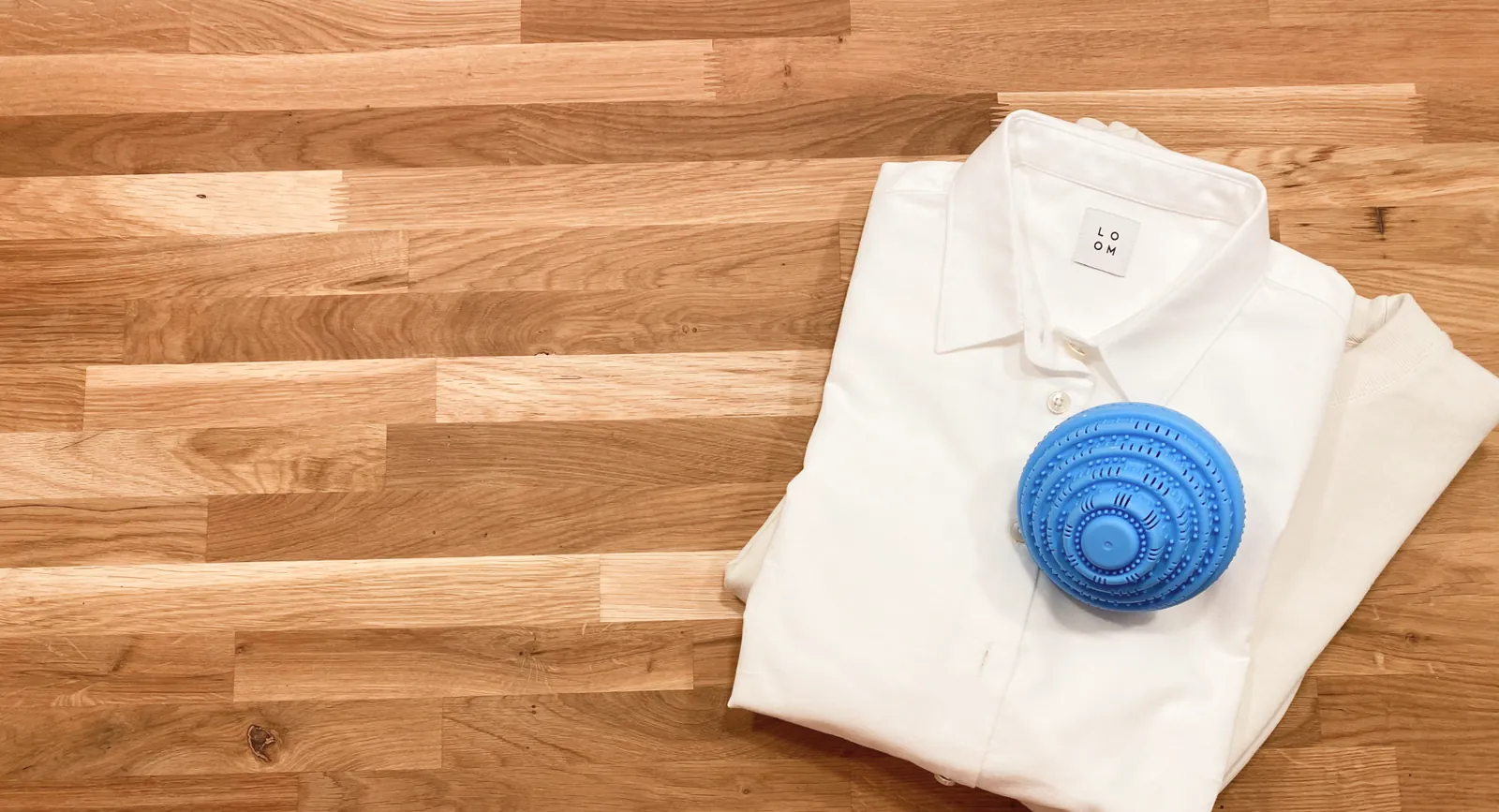
Over the past few months, many of you have reached out to ask what we think of the Gargouilles that have been flooding your social media feeds. Gargouilles are €35 plastic balls filled with ceramic beads that are supposed to replace laundry detergent, marketed as the most eco-friendly solution for fabric care. These claims intrigued me, so I wanted to dig deeper to provide you with a well-reasoned answer.
We'll walk you through two years of work to design a boxer brief in organic cotton: sturdy, soft, comfortable and made in Portugal.
Rome wasn’t built in a day, and we didn’t manage to make a really tough belt at the first attempt. Or the second. In this article, we tell you about all the twists and turns it took to finally make a belt that will outlive you.
This is the comic version of our article “Why companies are destroying the planet”.
Sneakers are the item in our wardrobe that wears out fastest. So we set out to design a pair that really lasts.
Ethical and/or sustainable brands using leather: it's a controversial subject. At Loom, we've chosen to use it for our next sneakers, and here we explain why. We know not everyone shares our point of view: for some people, animal suffering outweighs every other consideration, whatever the cost. Our aim is absolutely not to win them over. What we've tried to do is be as honest and transparent as possible about how we got there, and we hope it will help people make up their own minds. Oh, and if we've got something wrong somewhere, do tell us.
The first lesson from how we’ve handled the coronavirus crisis, as we face the ecological crisis ahead: giving up our marginal comfort.
In case you were wondering, here’s how Loom responded when the COVID-19 pandemic was declared in early 2020.
In this article, we’ll try to show you that if companies don’t make real environmental commitments, it’s not so much because of some unstoppable market logic or a destructive financial system. The problem runs much deeper.
Less than two years ago, we had no plans to switch our clothes to organic cotton. Then we dug into the subject and realised we’d got it wrong.
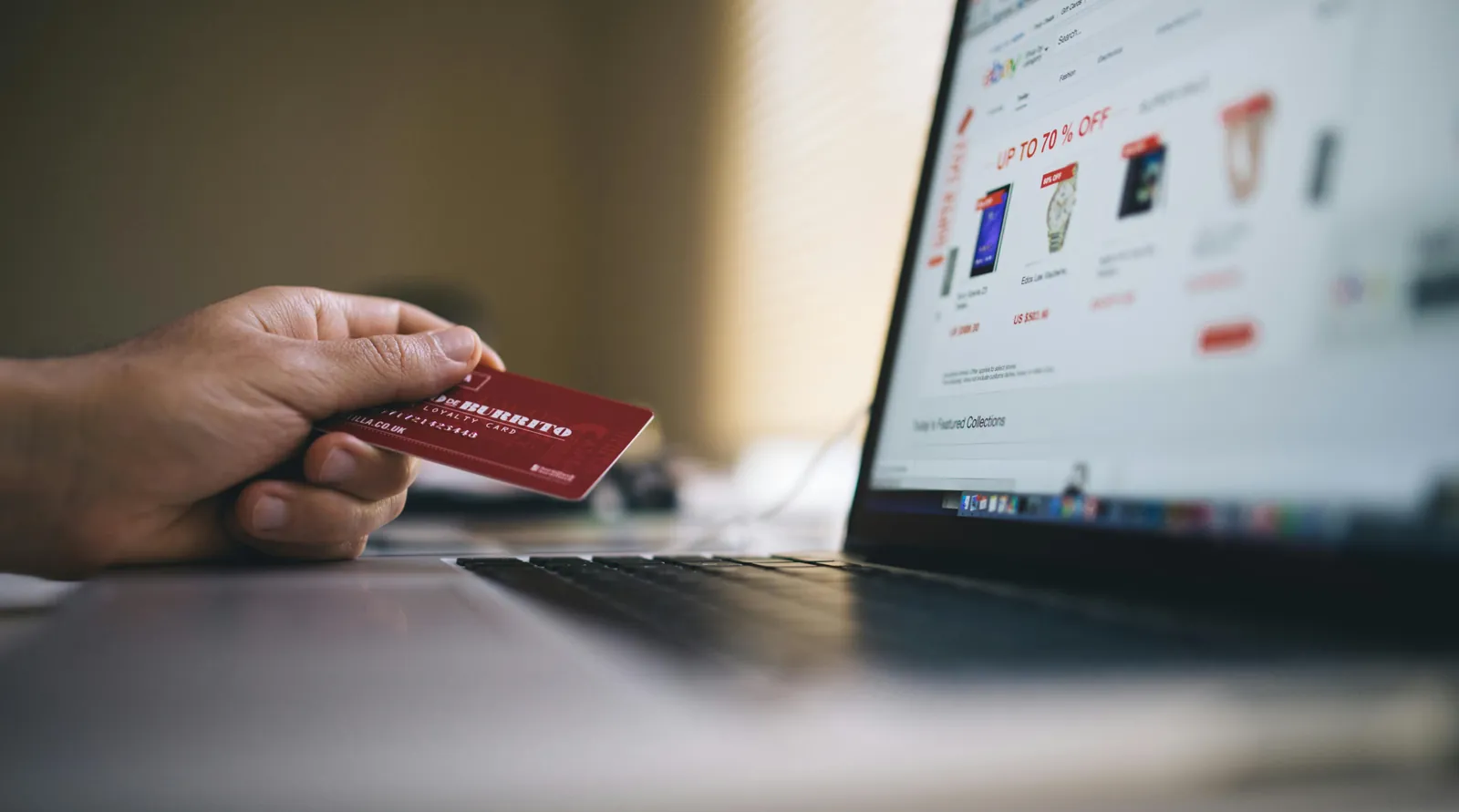
Dark patterns: all the tricks websites use to get us to buy things we don’t really need.
After we wrote this article, we were invited to speak at the Fashion Green Days, a forum that brings together people from across the textile industry to talk about circular fashion and green innovation. We decided to tackle the question of money, because we believe that knowing where the funding comes from matters just as much as knowing where the cotton comes from or who makes our clothes.
Making a polo shirt has been on our minds for a good while. When we finally decided to go for it, it was January… 2017. So what took us so long?
Our mission is to change the fashion industry – including the way it is funded. To let Loom stay an ethical company, it was hundreds of individuals – not investment funds – who invested in us. And it all started with this article, published in March 2019.
At Loom, we made the mistake early on of offering promotions here and there... because we hadn't really thought it through. Then, we decided to stop.
This article was originally published in January 2019 in We Demain.
What’s wrong with the fashion world? Fast fashion, planned obsolescence, working conditions, pesticides. We explain it all in a comic strip.
Recycled polyester is one of the main solutions invoked by fast fashion to claim that it is reducing its ecological impact. In this article, we're going to try to explain how this material is above all a smokescreen that distracts us from the real solutions. An investigation that will take us to China, Uganda, and even Tennessee. This article was first published in French: you can find it here.
After three years of research and lab tests, we have understood why denim jeans end up getting holes in the crotch area. Here is why.
This article was originally published in April 2018 on Medium, Usbek & Rica and Nouvel Obs
“There is no planet B”, the "Conscious" line, in-store clothing take-back: how did H&M become the champion of greenwashing?
At Loom, we don't believe in churning out new collections. We'd rather improve our clothes, generation after generation. Here's why, in comic-strip form.
What if that t-shirt on sale wasn’t such a bargain after all?
You’re reading La Mode à l’Envers, a blog run by the team at Loom. Loom started out as just a clothing brand. But the more we worked on our clothes, the more we realised how broken the textile industry is. Some media outlets were already covering it, but we felt we could offer a different perspective.